Why Resin Over Concrete, Whats the Difference
On a driveway, what do you recommend I use? Resin or concrete?
In Andover and the surrounding area, resin bound and concrete are two popular choices for new driveways. In both scenarios, the decision-making process is affected by factors other than longevity, which is a given. In both scenarios, the decision-making process is affected by factors other than longevity, which is a given.
Aesthetic Appeals
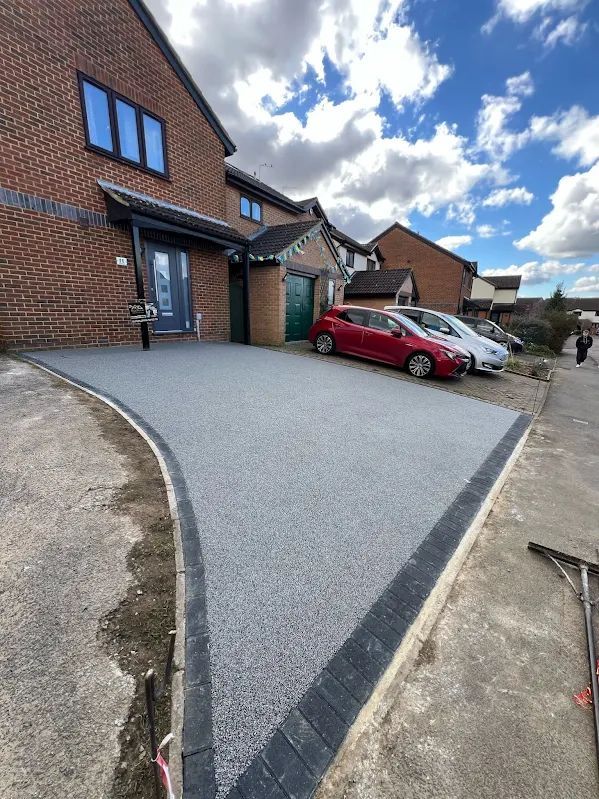
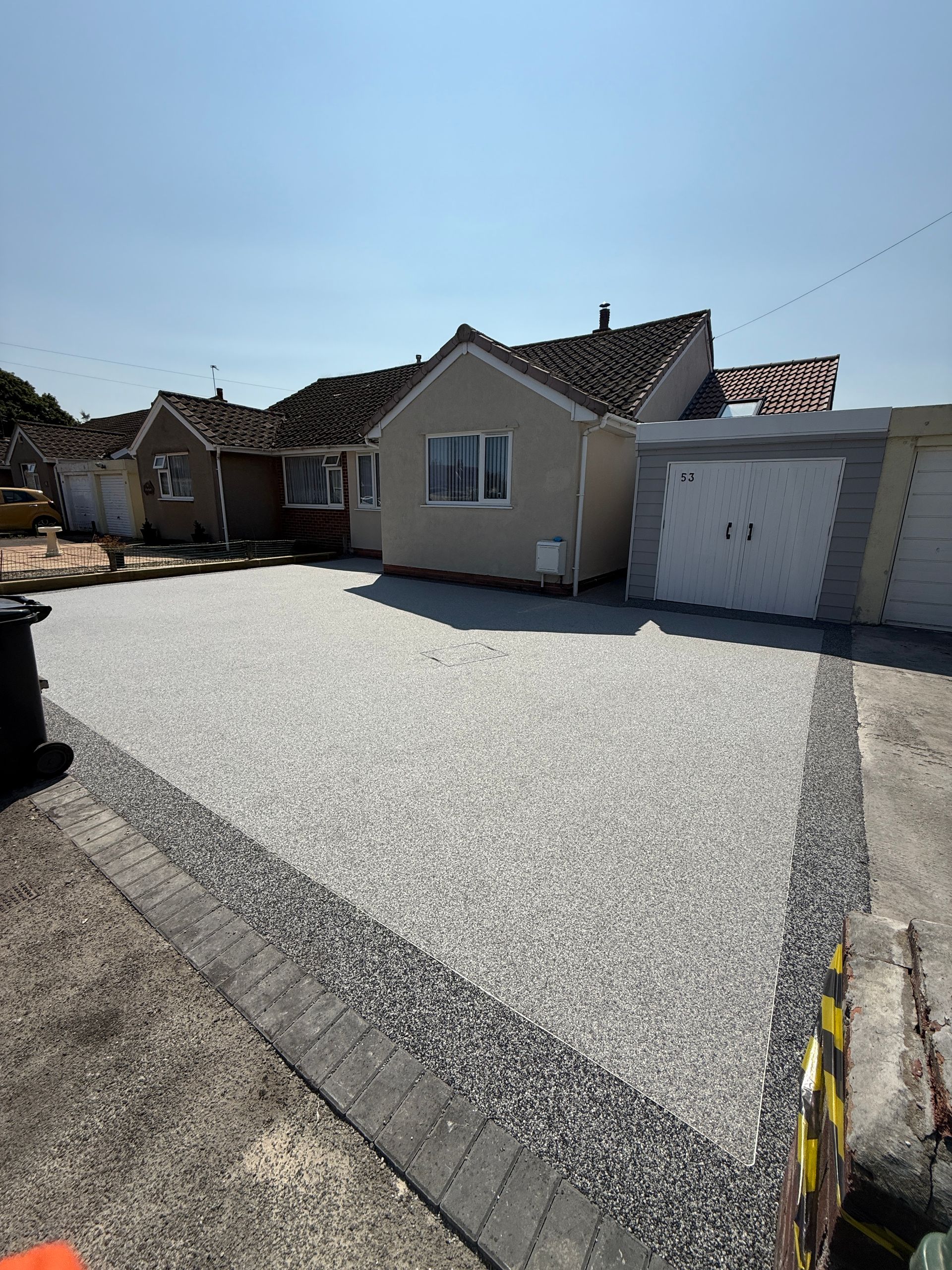
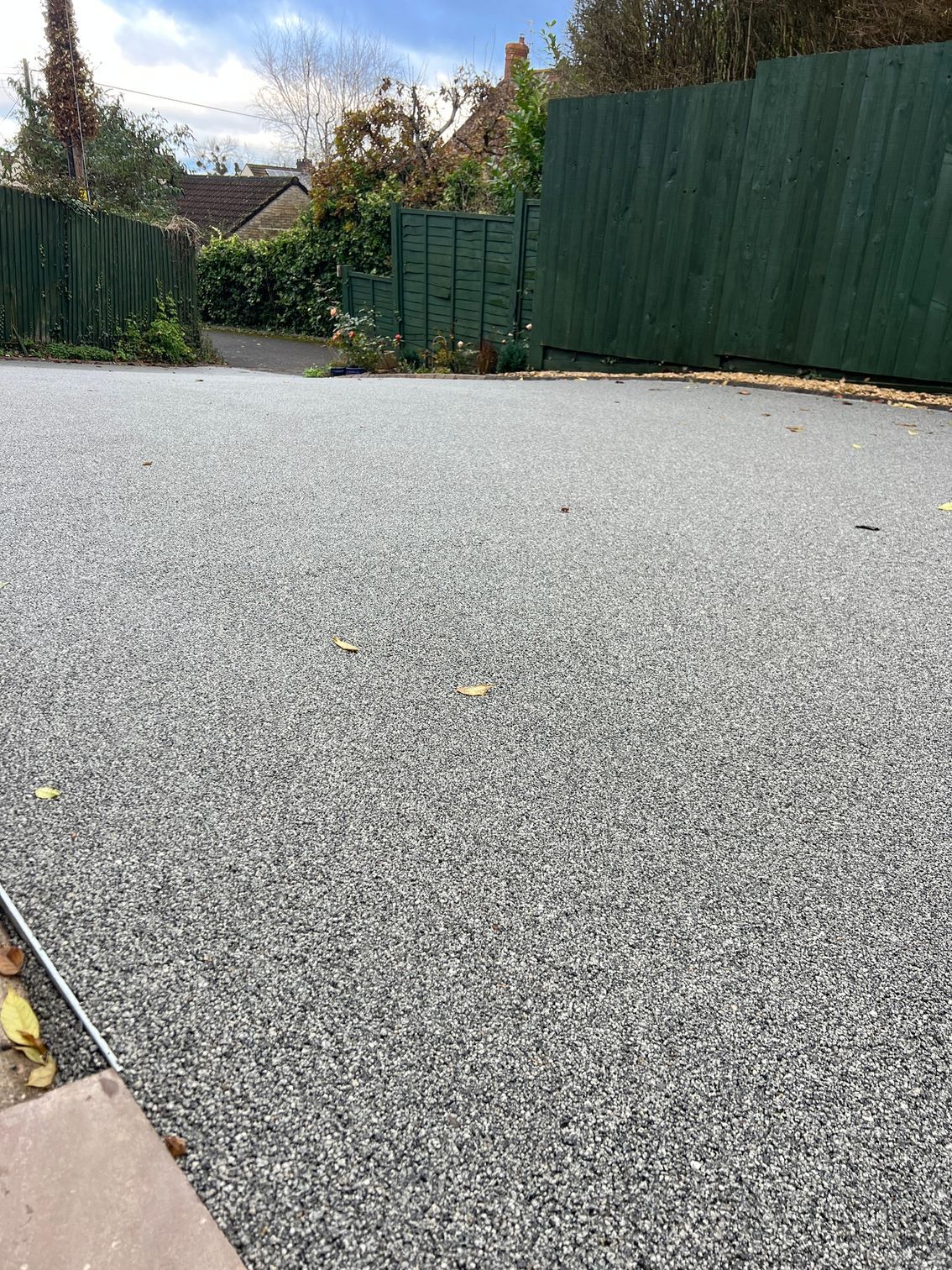
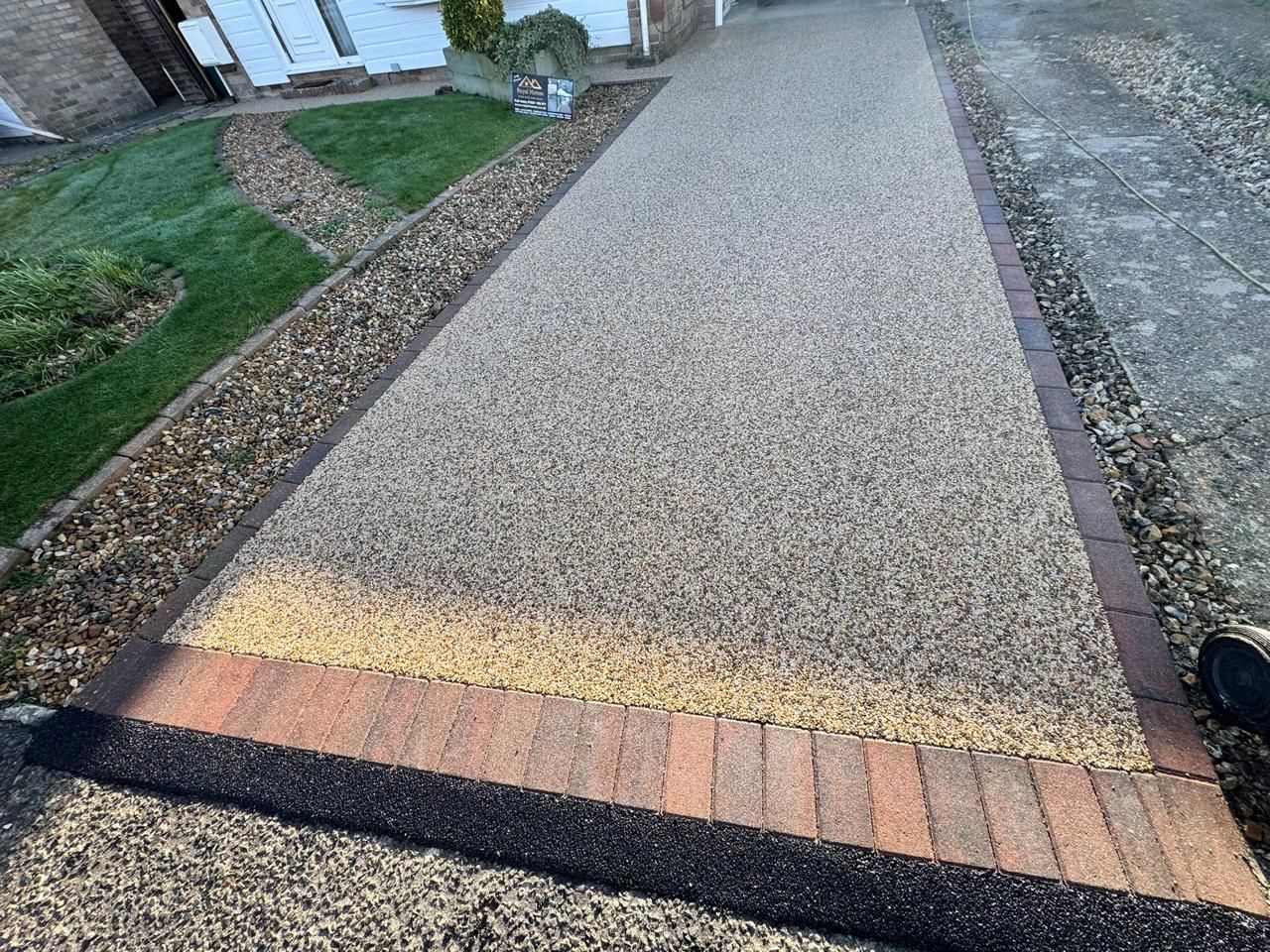
As you can see in the second image below, resin provides a visually appealing, seamless finish. What's more, it is available in hundreds of colors that mimic the look of natural stone. Whether your home is more traditional or contemporary, you can find a color scheme that complements it.
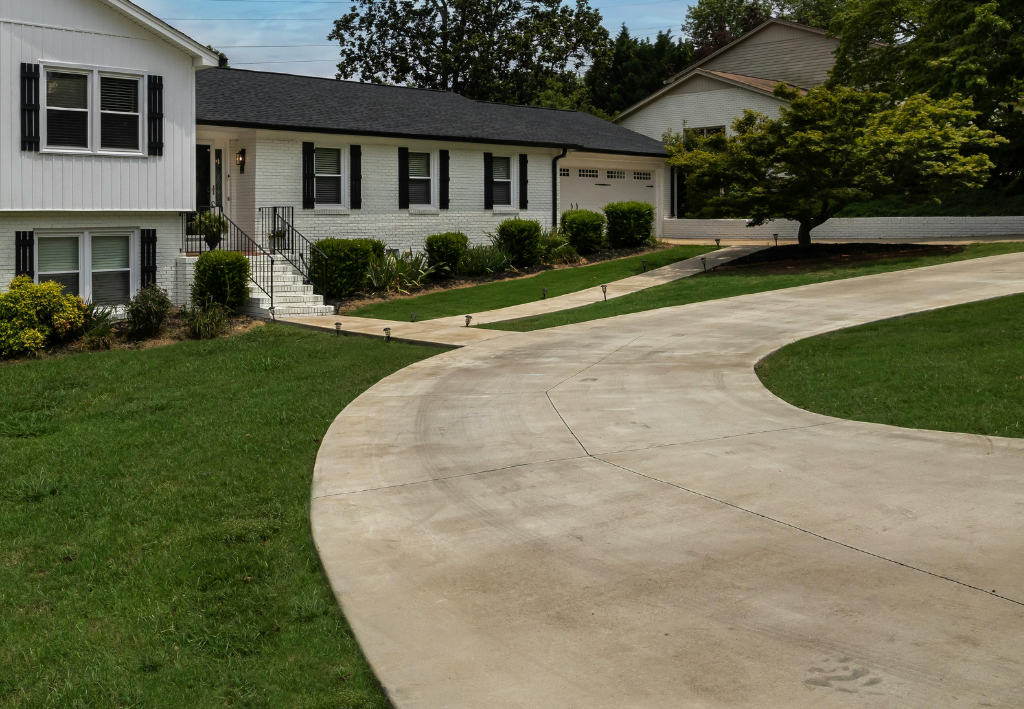
Concrete, as shown in the first picture below, can also produce a neat and tidy appearance. Colors and "stamp" patterns are customizable, though there isn't as much variety as with resin.
Colors and "stamp" patterns are customizable, though there isn't as much variety as with resin. Without fail, resin. Any type of property can be suited by the limitless options.
Life Expectancy of Driveway
Because of its extreme strength, concrete is able to support numerous, heavy objects. On the other hand, when weather conditions change, it becomes the most "crackable" surface. Cracking also makes repairs stand out.
A well-installed resin floor will last for years. A well-installed resin floor will last for years. Its high "flex" makes it more resistant to cracking and ground movement than competing driveway materials.
Drainage
When it comes to driveway surfacing options, resin bound is by far the most permeable. Immediately, the water drains through. Full SUDS compliance, lessened flood risks, and the absence of puddling are all results of this. The resin's drainage capabilities also mean that no planning permission is needed to install it on a property.
When it comes to managing water, concrete is a complete disaster because it is completely impermeable. If the drainage channels and falls are not properly installed, water will pool on the driveway. Water run off and increased flood risks are also caused by this.
Given its intended use, resin is clearly the superior material for drainage.
Resin vs. Concrete Cost Comparison
In this regard, concrete somewhat outshines resin; depending on the dimensions and requirements, it can be installed for 20-40% less than resin. To be sure, resin is more costly to install due to the many "wins" it has within this guide. Concrete has higher initial costs, but the added expense of maintenance usually makes up the difference in the long run.
Requirements for Maintenance
Resin requires very little upkeep—infrequent sweeping and, at most, a jet wash once a year—to keep looking great. It remains unaffected by fading and weeds and doesn't need sealing. Debris from the driveway can be better contained by using resin, thanks to its porous nature.
Debris from the driveway can be better contained by using resin, thanks to its porous nature. Debris from the driveway can be better contained by using resin, thanks to its porous nature. Further, as it wears down in the winter, it might become dangerously slippery. That being said, concrete needs sealing to remain functional and attractive. This process typically needs to be done every two years and can cost anywhere from £500 to £2,000.
How much time is required for installation?
How long it takes to install is almost identical. Full excavation projects follow a very similar pattern: excavate to the specified depth, remove all debris, construct the base and sub-base, and finally, lay the finished surface.
For the majority of home improvement projects, the full installation of resin or concrete could take anywhere from three days to seven days.
In addition, vehicles can't be used for either material for a few days.
In general, which surface is superior?
In comparison to concrete, resin offers more advantages, as stated in the guide. Yet, a savings of 20–40% can make a significant difference when money is hard to come by. And thus, the bottom line is that money matters. Resin is the way to go if you want a product that lasts a long time, looks great, and doesn't require any upkeep whatsoever.
However, there are many who are content to pay the annual maintenance fees because they love the look of concrete. However, there are many who are content to pay the annual maintenance fees because they love the look of concrete.
You might also like
Clark's Resin Driveways